Pink is no longer a footnote in the color conversation. It has become the dominant chord — appearing on couture runways in Paris, radiating from social media feeds, and filling shelves at mass retailers in shades from barely-there blush to electric magenta.
On the Spring 2027 runways in Milan and Paris, designers deployed pink with deliberate range. Miuccia Prada used a dusty rose as the anchor for a collection built around tailored volume. Chitose Abe layered fuchsia chiffon over high-waisted trousers at Sacai, creating a dialogue between hardness and softness within a single garment.
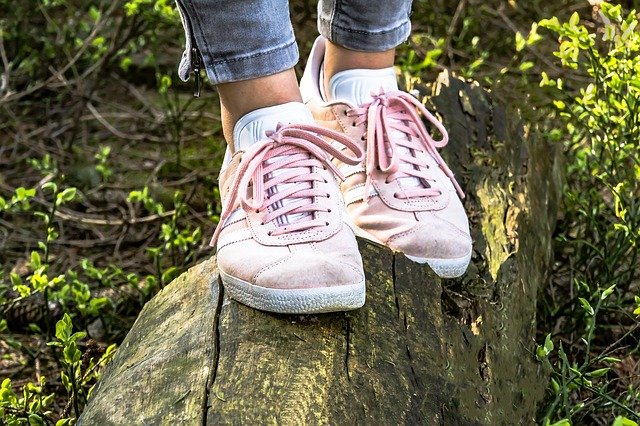
What is interesting is pink’s disappearance from the traditional trend lifecycle — it no longer peaks and fades but persists, becoming part of fashion’s permanent vocabulary. The market now supports a spectrum from barely-there blush to saturated fuchsia, each shade serving a different emotional register in the wardrobe.
The shift started quietly. Valentino’s PP Pink made headlines in 2022, but the current wave is broader and more textured — it carries the residue of Barbiecore, the soft blushes that primed the eye in 2025, and an emerging 2026 appetite for colors that register with emotional immediacy rather than intellectual distance.
The cultural context is telling. In an era of global uncertainty, pink offers a form of visual optimism that requires no verbal explanation. It communicates mood rather than message. Major US department stores report that pink has moved from seasonal accent to year-round staple, with pink apparel sales climbing 34 percent year over year.