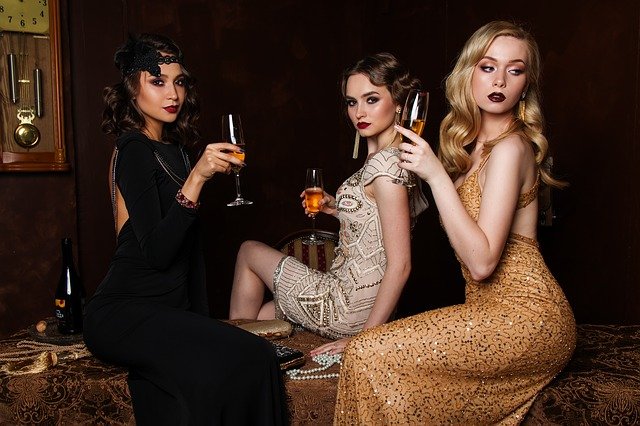
A scroll through any luxury brand’s Instagram feed this summer reveals a curious visual uniformity: grainy film stock, analog textures, and references to decades past that span the 1950s through the early 2000s. From Gucci’s archival reissues photographed through a vintage lens to Saint Laurent’s San Quentin campaign shot on celluloid, fashion marketing has turned decisively toward retro escapism. The question is whether this collective backward glance represents a passing mood or a structural shift in how brands communicate.
Brands that are succeeding in this environment are those that anchor the retro aesthetic in genuine brand history rather than borrowed imagery. Loewe’s campaign works because its intimacy is consistent with Anderson’s design philosophy. Gucci’s archival references are effective because they draw on the house’s actual visual heritage. The campaigns that fail are those that adopt the aesthetic without the underlying narrative — a film-grain photoshoot on a brand with no 1990s identity to speak of.
Yet the aesthetic carries a paradox: when every brand adopts the same visual language, the very distinctiveness it was meant to confer erodes. A campaign that stands out for its warmth against a sea of sterile product shots becomes indistinguishable from its competitors once all brands trade in the same nostalgic currency. The race to capture ‘authenticity’ through retro styling has created a new form of homogeneity.
The drivers are both cultural and technological. Digital fatigue — the exhaustion of consuming endlessly optimized, hyper-polished imagery — has created a receptive audience for imperfection. Film grain, lens flare, and visible lab processing errors signal authenticity in an era of AI-generated perfection. Consumers, particularly Gen Z and younger Millennials, reward brands that trade algorithmic polish for what feels like human memory.
Miu Miu’s spring campaign, shot by Steven Meisel on medium-format film, channels the languid glamour of early-1990s Italian Vogue editorial. Loewe’s Jonathan Anderson has described his latest campaign as a ‘visual diary,’ using snapshot-style compositions that reject the constructedness of traditional luxury advertising. Even mass-market players like Zara and H&M have adopted the vernacular, with campaigns that mimic the dimly lit flash photography of 1970s point-and-shoot cameras.