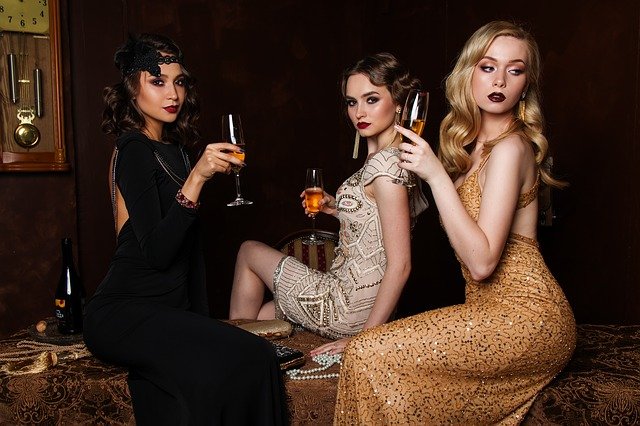
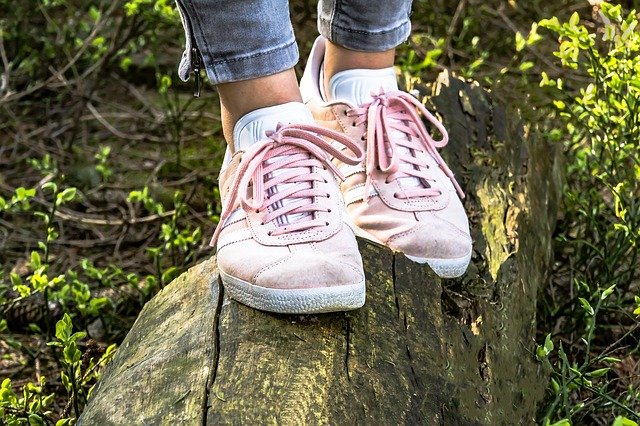
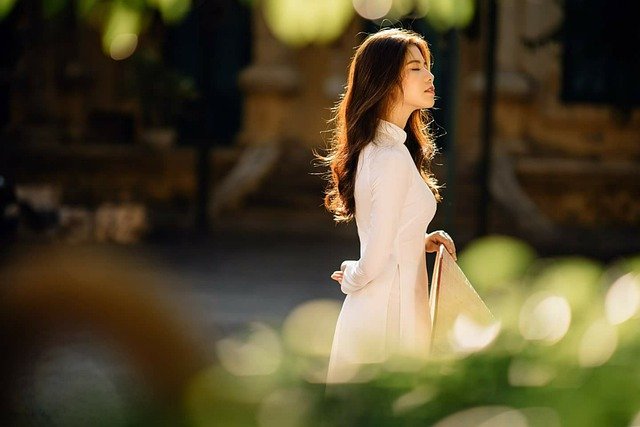
Pink is no longer a seasonal flirtation. It has saturated the cultural landscape with a persistence that defies the usual arc of a trend. Walk through any city center and you will see it on blazers, handbags, sneakers, and evening gowns — not as a novelty but as a settled fact of contemporary dressing.
The cultural conditions that enabled pink’s rise have not receded. Escapism, nostalgia, and a collective hunger for visual optimism continue to favor bright, unapologetic color. Pink offers what beige and gray cannot: a mood that announces itself before the garment’s cut or fabric is even registered.
The shift began in earnest with Valentino’s 2022 Pink PP collection, which claimed the shade as a house signature with the force of a branding coup. Pierpaolo Piccioli’s monochromatic statement was so total that it rewired how the industry thought about a color previously relegated to gendered marketing and seasonal rotation. Then came Barbie in 2023, a film that turned a corporate trademark into a global mood board.
The market has responded with structural commitment. Pantone’s 2024 and 2025 reports both showed pink-adjacent hues in their top ten, and retail analytics firms report a 340 percent increase in pink inventory across women’s and men’s categories since 2022. Brands from Bottega Veneta to Loewe have integrated pink into their seasonal color narratives as a staple, not a statement.