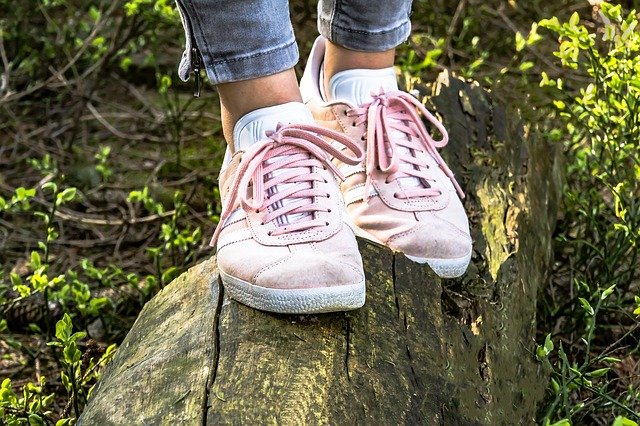
There is a moment in the latest Charli XCX video where the camera lingers on a pair of Alaïa ballet flats for precisely two seconds — long enough for anyone who knows to know, brief enough that anyone who does not will not notice. That two-second shot is the latest iteration of a marketing strategy that has quietly become fashion’s most effective brand-building tool: the IYKYK music video cameo.
The strategy works because it respects the audience’s intelligence. A logo is noise. A two-second cameo that the viewer has to actively identify is a reward. The viewer becomes a participant in the brand’s story rather than a passive recipient of its message. For fashion houses navigating a landscape where attention is the scarcest resource, that participation is worth more than any impression count.
The format is the antithesis of the sponsored post. A designer dress, a specific handbag, a vintage archival piece — worn by the artist not as a paid placement but as a deliberate character choice. The audience for these cameos is not the general viewership but the subset of fans who will screenshot, zoom in, and identify the piece on social media within hours of the video’s release. The value is in the hunt, not the display.
The trend has accelerated as traditional advertising channels have become less trustworthy for luxury brands. A billboard in a major city reaches thousands; a music video cameo identified and discussed by fashion Twitter reaches the exact audience the brand wants — young, digitally native, consumption-obsessed, and highly influential among their peers. The economics favor subtlety over scale.
Recent examples illustrate the range. Rosalía’s video for a single off her 2026 album featured three distinct archival looks — a John Galliano for Dior slip dress, a Margiela tabi boot in a limited colorway, and a custom corset by an emerging Spanish designer — none of them tagged in the description. Hypebeast and Hypebae ran identification threads within two hours. The cumulative earned media value, by conservative estimate, exceeded a paid campaign across six magazines.