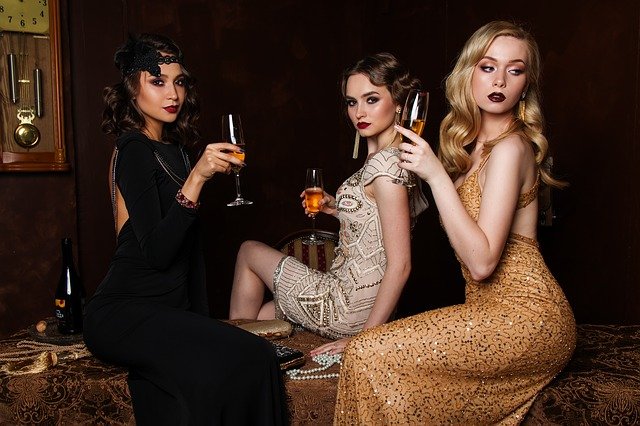
On a late June evening in Paris, inside Le Gratin—a restaurant whose wood-panelled walls and amber lighting suggest a private dining room rather than a commercial space—Harry Lambert held court at the launch of Pandora’s Wonders collection. The British stylist, best known for his decade-long collaboration with Harry Styles and his recent appointment as creative director at Walpole, has become a quietly transformative force in how heritage-adjacent brands communicate their visual identity.
Lambert’s involvement with Pandora marks a notable shift for the Danish jewellery house, which has historically positioned itself as an accessible, self-purchase brand built on charm-stacking and personal storytelling. The Wonders collection—a capsule of pieces inspired by celestial motifs, architectural details, and natural forms—represents an intentional elevation of design language, and Lambert’s eye for casting, set design, and tonal consistency was central to translating that ambition into imagery.
Lambert described the creative brief in straightforward terms: the jewellery should feel like it belongs to someone with a life, not someone posing for a photograph. His casting choices reflected that ethos—a mix of actors, musicians, and non-professionals whose relationship to adornment reads as intuitive rather than choreographed. The result is a collection of images in which the product and the person share the frame without competing.
For Pandora, the partnership signals an understanding that the brand’s next chapter depends on cultural credibility as much as product innovation. The launch event in Paris was attended by editors from fashion’s most discerning titles and stylists whose booking lists overlap with Lambert’s world. Whether the collection translates into sustained repositioning will depend on what follows, but the opening gambit has been played with an assurance that the old Pandora rarely demonstrated.
The campaign, shot by a photographer whose fashion-reportage style Lambert has long championed, avoids the polished isolation typical of jewellery advertising. Models move through loosely defined interior spaces; their hands gesture mid-sentence; the pieces catch light in motion rather than stillness. The effect is a visual tone that feels closer to documentary than commerce, and that distinction is deliberate.