A new report from fashion technology firm Lectra maps the defining tension of summer 2026 retail: the simultaneous rise of premium basics and unabashed ornamentation. Drawing on Retviews data across mass and mid-market segments, the analysis reveals a market splitting into two distinct consumer appetites.
Premium basics — elevated T-shirts, refined denim, perfectly cut trousers — now dominate product ranges across Zara, Gap, and their peers. Denim ranges have expanded by 47 percent year-over-year, while T-shirt offerings grew 41 percent, with both categories shifting toward higher price points and better fabric composition.
This bifurcation mirrors a broader cultural moment in which consumers toggle between quiet luxury restraint and dopamine-dressing maximalism, often within the same week. The data confirms that retailers are responding not by choosing a lane but by building inventory that spans both extremes, forcing supply chains to become more agile.
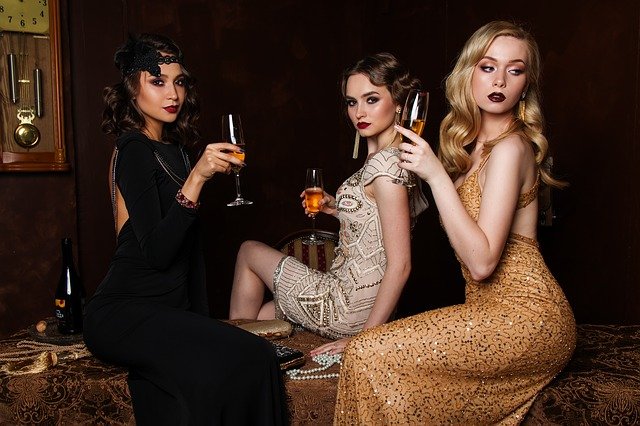
Yet the same data shows a parallel surge in sequined, embellished, and ornamented pieces, particularly in dresses and evening separates. The mass market, the report suggests, is increasingly behaving like the luxury sector: offering both the austere and the expressive within the same collection, betting that consumers want the full spectrum rather than a single register.
For the industry, the takeaway is twofold: the premium-basics customer is willing to pay more for better materials, and the sequin customer is not going anywhere. Summer 2026, at least by the numbers, belongs to the both-and approach.
The price dynamics are striking. Double-digit price increases at fast-fashion retailers — Zara and Gap among them — suggest a deliberate strategy of premiumization, edging into territory once occupied by bridge brands. The customer, Lectra’s analysis indicates, is accepting the higher price points as long as the quality perception follows.