An epaulette is an ornamental shoulder piece that began as armor and became an emblem — a strip of fabric or metal worn at the juncture of neck and arm where the authority of a garment is most visibly declared.
The epaulette originated as a functional component of military dress in the seventeenth century, designed to protect the shoulder from sword cuts and to secure the straps of cartridge boxes. By the eighteenth century, it had evolved into a rank insignia: an officer’s epaulettes were progressively more elaborate — fringed in gold bullion for generals, plain for lieutenants — creating a visual hierarchy that could be read from across a parade ground. The epaulette’s location at the widest point of the shoulder gave it an additional effect: it made the wearer appear broader, more formidable, more occupation of space.
The epaulette crossed from military into civilian fashion in the nineteenth century, appearing on women’s coats and jackets as a sign of borrowed authority — what the fashion historian Anne Hollander called the “masculine allusion” in women’s dress. The broad-shouldered silhouette of the 1940s, popularized by Adrian and later by Christian Dior’s New Look, drew directly on the epaulette’s capacity to restructure the shoulder line. Joan Crawford’s padded shoulders were, in essence, epaulettes without the fringe.
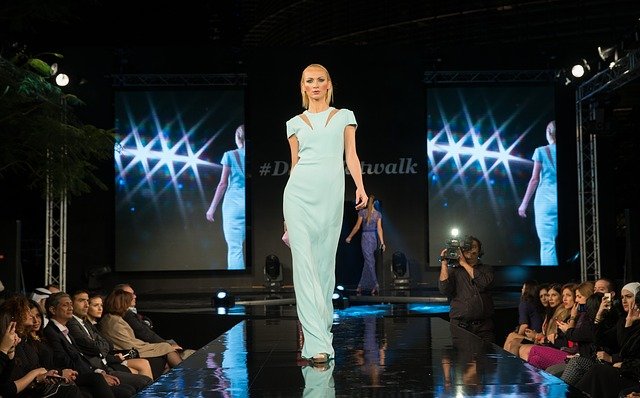
In contemporary fashion, the epaulette has become a semiotic device. It appears on the blazers of hotel doormen, the field jackets of luxury outdoor brands, and the runway collections of designers who deploy military references as a language of structure and command. Givenchy’s Riccardo Tisci used exaggerated epaulettes to give women’s tailoring a ceremonial gravity. Demna Gvasalia at Balenciaga has used them ironically — overblown, disproportionate — questioning the very authority the epaulette once signified. The epaulette is ultimately a piece of clothing that functions as a sentence: it declares belonging, rank, and the willingness to be seen within a hierarchy.