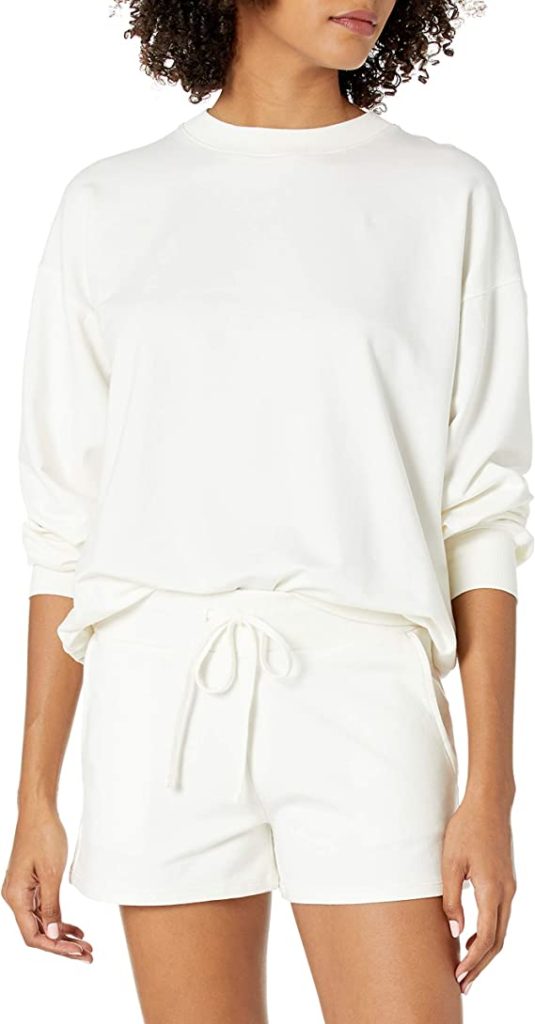
A soft, medium-weight woolen or cotton fabric with a slightly napped finish—a textile of comfort, associated with the warmth of winter, the coziness of home, and, paradoxically, the uniform of the office.
Flannel was originally a Welsh fabric, woven from carded wool rather than combed wool, which produced a softer, fuzzier surface than worsted fabrics. The nap was raised by brushing the finished fabric, creating an insulating layer of fibers that trapped air and retained body heat. Flannel was the fabric of the rural poor before it became the fabric of the urban clerk.
The flannel shirt entered American fashion through the logging camps of the Pacific Northwest, where workers needed a warm, durable shirt. In the 1990s, the flannel shirt was adopted by the grunge movement as a uniform of anti-fashion, worn open over band t-shirts, deliberately unfashionable.
Flannel suiting—the flannel suit—is a different garment entirely. A flannel suit is soft, warm, and unstructured compared to worsted wool. It was the preferred suiting of Hollywood in the 1940s, of Madison Avenue in the 1950s, and of the Italian tailoring houses in the 1960s. To wear flannel is to choose comfort over formality, to acknowledge that the body deserves warmth as much as the eye deserves elegance.