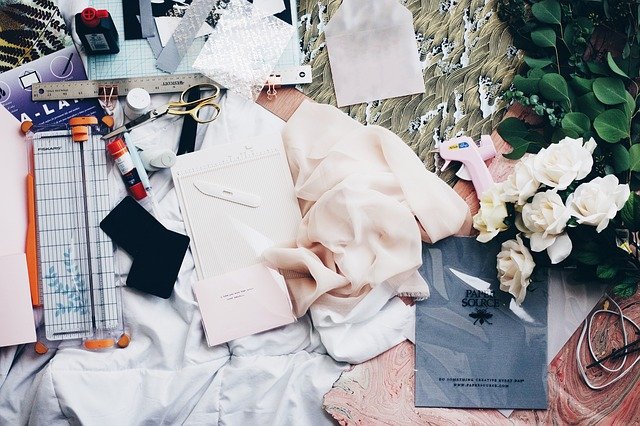
A sheer, lightweight silk fabric with a crinkled surface—a textile whose matte finish and pebbly texture give it an appearance of understated depth, as though the fabric has been gently crumpled and permanently preserved in that state.
Named for the French dressmaker Georgette de la Plante, georgette is a crepe fabric woven with highly twisted yarns in both warp and weft, producing a fabric that is simultaneously strong and sheer. The twist in the yarns creates the characteristic crinkle, which gives georgette its springy resilience and its ability to drape in soft, voluminous folds.
Georgette was the fabric of choice for the liberated woman of the 1920s—used for the dropped-waist dresses, the floating scarves, the layered skirts of the Jazz Age. Its lightness made it ideal for the new, unfettered silhouettes that rejected the heavy fabrics of the Victorian and Edwardian eras. A georgette dress moved with the body, floated when the wearer danced, and suggested the body beneath without revealing it.