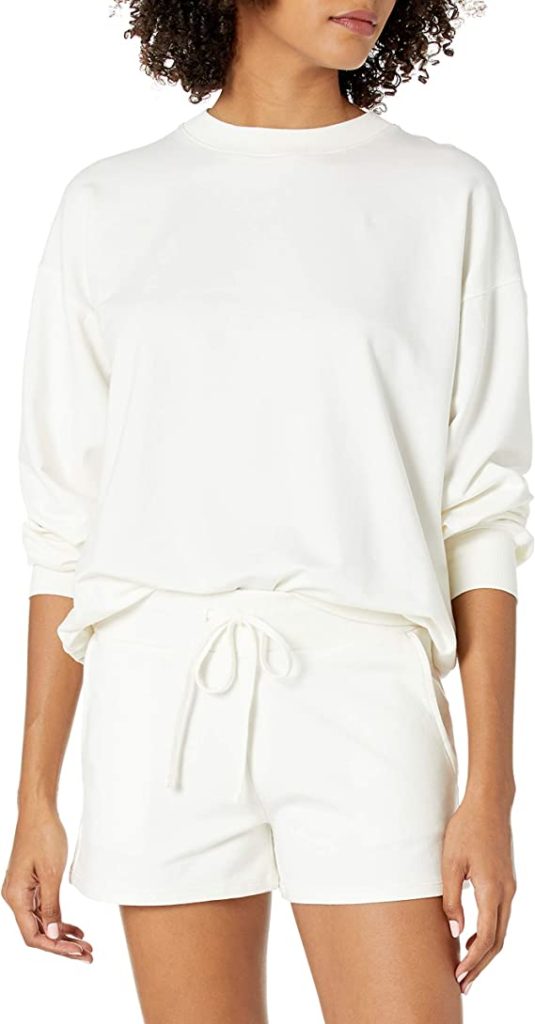
Prêt-à-porter — the French term for ready-to-wear — describes clothing produced in standardised sizes and sold in finished condition, as distinct from haute couture, which is made-to-measure for individual clients. But the phrase carries far more weight than its utilitarian translation suggests. It represents one of the most significant structural shifts in fashion history: the moment clothing ceased to be a service and became a product, available to anyone with the means to buy it.
French designers such as Yves Saint Laurent, Sonia Rykiel, and Kenzo were among the first to treat prêt-à-porter with the same creative seriousness as couture, proving that a garment produced in hundreds or thousands of copies could still carry a designer’s signature. Saint Laurent’s Rive Gauche boutiques, opened in 1966, became the template: a designer label translated into a ready-to-wear line sold in a branded store, accessible to a customer who would never set foot in a couture salon.
What prêt-à-porter ultimately accomplished was the transformation of fashion from a trade into an industry. It did not kill couture — haute couture survives as a laboratory for ideas and a marketing halo — but it permanently shifted the centre of gravity. To say that a garment is prêt-à-porter is to say that it belongs to the world of commerce, of scale, of the many rather than the few. It is, in a sense, the most democratic word in the fashion lexicon.
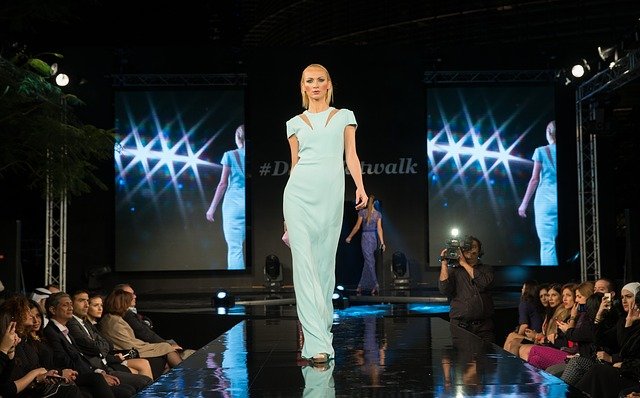
The cultural consequence was immense. Where couture had been the preserve of a tiny elite — perhaps three or four thousand women worldwide — prêt-à-porter opened fashion to a middle class that was expanding rapidly across Europe, America, and Japan. Designers who had once worked exclusively for private clients now found themselves creating for an anonymous, dispersed audience whose approval was measured in sales, not social connections. This shift also gave rise to the seasonal fashion calendar as we know it: the Spring/Summer and Autumn/Winter collections, the runway show as marketing event, the magazine editorial as the primary medium of desire.
Globally, prêt-à-porter redefined fashion’s geography. Milan emerged as a ready-to-wear capital in the 1970s, powered by manufacturers like Giorgio Armani and Gianni Versace who understood that industrial production was not the enemy of creativity but its enabler. New York, London, and Tokyo followed, each developing its own retail and wholesale infrastructure. Today, the term prêt-à-porter is used somewhat loosely — it covers everything from diffusion lines to luxury streetwear — but its core meaning remains: fashion that is finished when you buy it, not when it is made for you.
The system as we know it crystallised in Paris in the 1960s, when the Chambre Syndicale de la Haute Couture formally recognised prêt-à-porter as a distinct category. Until then, French fashion had been organised around the couture house — a vertically integrated atelier where a client was measured, fitted, and sewn for. Ready-to-wear inverted that model: it separated design from production, scaled manufacturing, and distributed garments through wholesale networks and retail stores rather than through appointment-only salons.