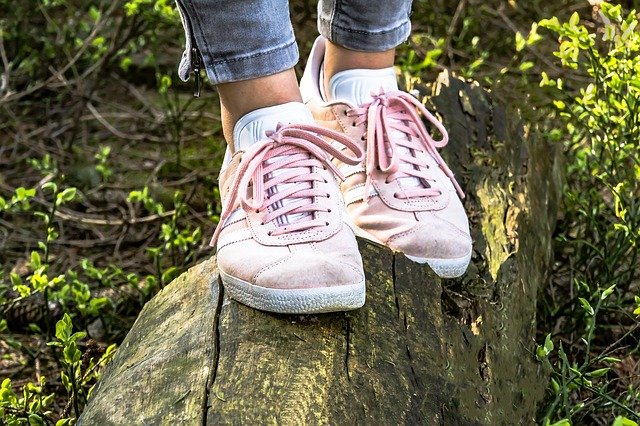
The 2026 World Cup has become an unlikely runway, and fashion houses are placing their bets with the kind of strategic urgency usually reserved for Fashion Week. Mackage, the Montreal-based luxury outerwear house known for sculptural down jackets and precision tailoring, has thrown its hat into the ring with an official capsule collection for the Croatian National Football Team — marking both the brand’s first foray into football and the debut of its inaugural sneaker silhouette.
The collection reads like a study in controlled tension: technical outerwear with removable hoods, zip-neck knits in Croatia’s signature red, white, and navy, and a low-top sneaker that signals Mackage’s ambition to live beyond the category it mastered. Each piece walks the line between performance necessity and off-field polish, the kind of hybrid dressing that the modern athlete — and the modern consumer — demands. It is not merely sportswear; it is a declaration that luxury outerwear brands see the World Cup as more than a sporting event — they see it as a global platform for cultural adjacency.
Mackage is far from alone in this calculation. Boggi Milano has strengthened its multi-year partnership with FIFA, releasing a capsule of polos and T-shirts that nod to past World Cup winners and the 2026 host nations. The Italian house has paired the collection with plans for new store openings, threading its tailoring heritage through the needle of football fandom. Meanwhile, Kith has partnered with Messi and adidas on a World Cup capsule, and luxury brands across the spectrum are racing to claim affiliation with the tournament’s vast global audience.
What unites these initiatives is a recognition that the 2026 World Cup — hosted across the United States, Canada, and Mexico — represents a demographic gravity shift. The tournament lands in markets where fashion and sport already blur: where a stadium crowd and a front row share overlapping cultural DNA. For houses like Mackage, the calculation is precise. A World Cup capsule does not just sell jackets; it embeds the brand into a conversation that spans continents, generations, and dress codes.
The question that lingers is whether these capsules will translate into enduring brand loyalty or remain opportunistic souvenirs of a moment. Mackage’s bet on Croatia — a team with a passionate diaspora and a distinctive visual identity — suggests a longer game: building brand recognition in a market where luxury outerwear has room to grow. If the sneaker sells and the silhouette earns repeat customers, the World Cup pivot may prove to be less a seasonal stunt and more the opening salvo of a permanent expansion into new categories and new territories.