Lollapalooza’s crowd was more dressed than any festival crowd has a right to be, and the fashion on the ground belonged as much to luxury houses as to the stage. The 2026 edition confirmed a shift years in the making.
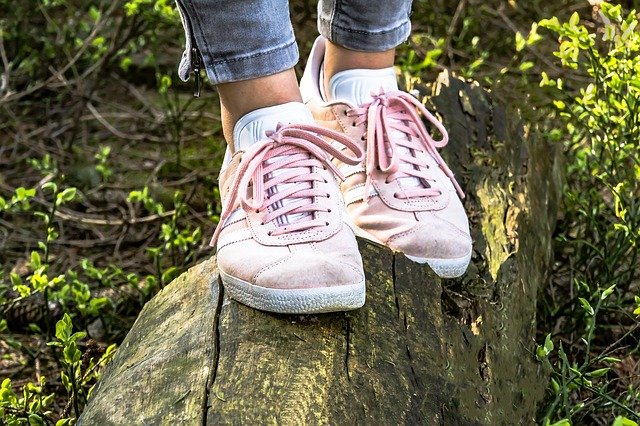
Festival fashion used to mean frayed denim and hand-stamped tees. The current iteration runs through designer logos, archival pieces and the careful negligence of a very expensive outfit.
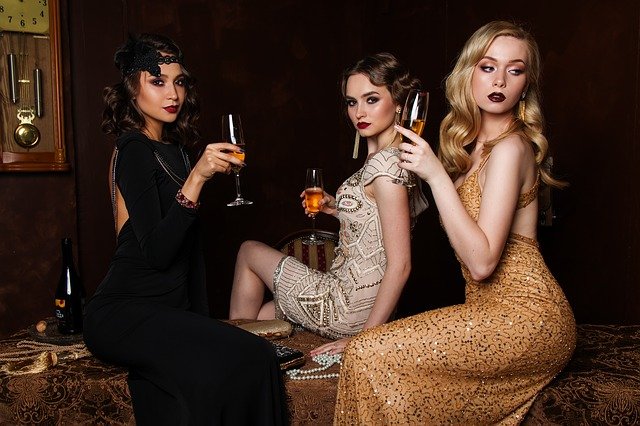
Luxury brands were visible in the crowd’s layering: sheer dresses over swim, leather in the heat, and accessories doing the heavy lifting of an entire look. The festival became a runway where the audience was the cast.
The festival circuit has become a marketing channel that brands do not have to buy. Attendees dress for the cameras they know are watching, and the brands appear by proxy.
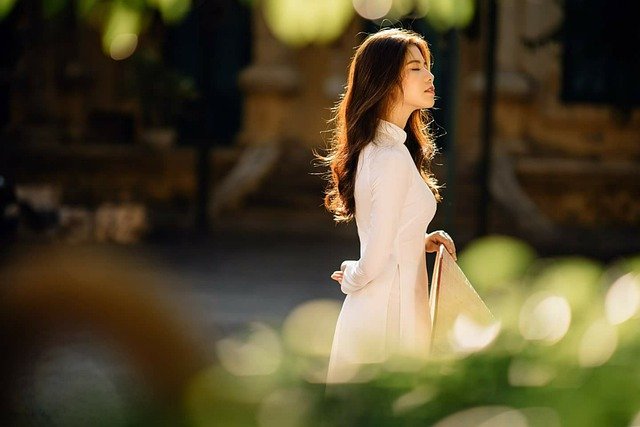
The styling signals a generational read of luxury: not as occasion wear but as the raw material of self-expression. The tent is the new red carpet for a cohort that grew up on social media.
The festival’s fashion moment is no longer an accident of youth. It is a strategy, and the houses that understand it are dressing the most photographed audience in the world.