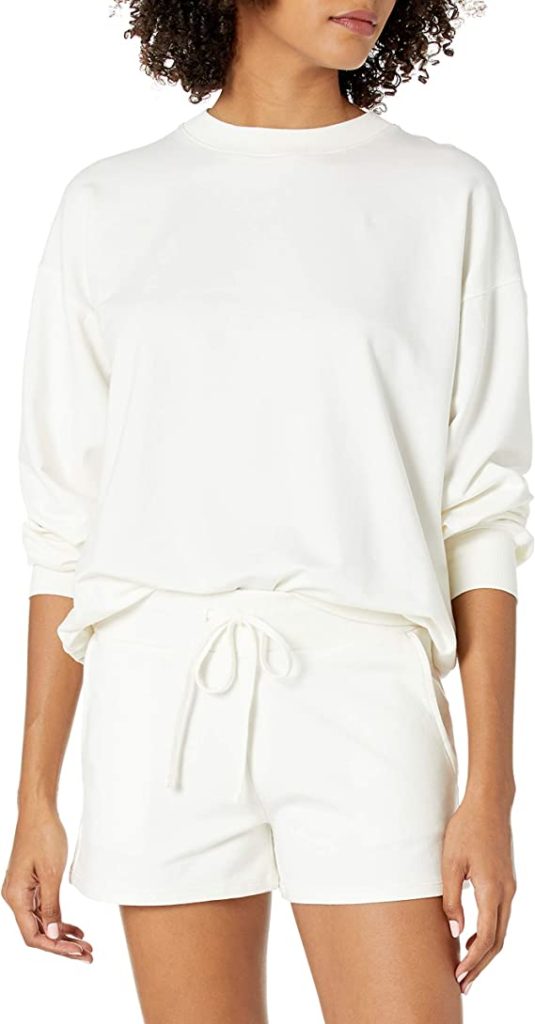
The tunic is a simple, body-length garment that is slipped over the head and typically hangs from the shoulders, reaching to the hips, the knees, or the ankles — a form so basic to human dress that it has appeared in virtually every civilization since the Bronze Age, and so adaptable that it continues to be one of the most versatile pieces in the contemporary wardrobe.
The tunic’s transition from ancient garment to medieval fashion was shaped by the spread of Christianity, which brought Roman dress to the courts of Europe, and by the migrations of peoples — the Germanic tribes with their woolen tunics, the Norse with their layered approach, the Byzantines with their silk imports from China. By the Middle Ages, the tunic had evolved into the basic garment of European dress, worn by men and women as a layer beneath outer garments and, for the lower classes, as the outer garment itself.
The twentieth century rediscovered the tunic through the lens of modernism. Coco Chanel’s jersey dresses of the 1920s were essentially tunics — simple, unconstructed shapes that liberated women from the corset and the petticoat. The shift dress of the 1960s was a tunic made modern through mini proportions and bold pop colors. The tunic’s ability to accommodate any length — from the micro-mini to the floor-length caftan — made it a favorite of designers who wanted to experiment with proportion while working within a shape that the body could inhabit comfortably.
In contemporary fashion, the tunic is so ubiquitous that it is almost invisible as a category. It is the long shirt worn with leggings, the beach cover-up slipped over a swimsuit, the designer blouse that hangs loose over trousers, the uniform of the luxury resort and the airport terminal alike. After four thousand years of continuous use, the tunic has achieved the ultimate goal of any garment: it has become so natural that we forget we are wearing it.