What is the difference between a peplum and a pinafore? What does it mean to pleat or pinch your clothes? If you’ve ever had these questions or wanted to know more about fashion terms in general, this blog post is for you! I will cover some of the most common fashion terms starting with P.
- Panties: Panties are underwear that women wear under their clothing. They come in many different styles and colors, but they all do essentially the same thing-covering up your unmentionables so people can’t see them when you’re wearing pants or skirts.
- Pants: Pants are an article of clothing worn on the lower half of the body–typically made from denim fabric. Pencil pants are a type of very slim fitting pants that have a fitted waist and narrow legs.
- Pinstripe: If you see black and white stripes on clothing, it is likely pinstripes. Pinstripes were named for the tiny metal pins used to make them! The wide version is called double-pinstripes.
- Pleat: A pleat is a fold in fabric usually made by folding it over itself and stitching it down along one edge several times to create enough sturdiness for the pleat to stand up on its own without support from the rest of the garment or another structure within it. Pleats give a bit of volume under a fitted top, for example, which creates more visual interest than if the top were made of a solid fabric.
- Pantaloons: Pantaloons were originally designed to be practical and comfortable. They provided protection from dirt or mud on the ground, as well as an extra layer of warmth in colder climates.
Fashion Terms Starting with Letter P
Passementerie is the craft of producing ornamental trimmings — tassels, fringes, braids, cords, gimps, galloons, pom-poms, and applied decorative bands — used to embellish clothing, upholstery, curtains, and ceremonial regalia. It is a discipline that sits at the intersection of...
A peak lapel — distinguished by its upward-pointing, V-shaped notch that projects toward the shoulder — is the most formal of the three standard lapel styles in men's tailoring, alongside the notched lapel and the shawl lapel. Its defining characteristic...
Prêt-à-porter — the French term for ready-to-wear — describes clothing produced in standardised sizes and sold in finished condition, as distinct from haute couture, which is made-to-measure for individual clients. But the phrase carries far more weight than its utilitarian...
The poncho is a simple, sleeveless outer garment consisting of a single rectangular or square piece of fabric with a slit in the center for the head — a garment whose design is so elementary that it has been independently...
The petticoat is an undergarment worn beneath a skirt or dress to provide warmth, shape, volume, or opacity — a layer of fabric that exists between the outer garment and the body, historically charged with social meaning and remarkably persistent...
A framework worn beneath the skirt of an eighteenth-century gown to extend the hips horizontally—a garment of extreme silhouette that transformed the female body from a vertical column into a horizontal expanse. At their most extreme, panniers extended the skirt...
A fabric that has been permanently pleated through a chemical or heat process—a textile whose surface is composed of regular, machine-set folds that give it an accordion-like texture and remarkable elasticity. Plissé is produced by treating fabric with a caustic...
A rectangular piece of fabric worn wrapped around the body as a skirt or dress—a garment whose simplicity of construction is matched by its extraordinary versatility, a single rectangle of cloth that contains an entire wardrobe. The pareo originated in...
A sleeveless garment worn over a dress or blouse, fastened at the back and designed to protect the clothing beneath—a garment of pure function that has been adopted by fashion as a symbol of youthful innocence and domestic order. The...
A plain-weave fabric with a fine horizontal rib, made from cotton, silk, or wool—utilitarian in origin, indispensable in practice, and distinguished by its exceptional ratio of durability to weight. Poplin was originally a silk-and-wool blend produced in Avignon, France, for...
A pelerine is a short cape that covers the shoulders without constricting them — a piece of outerwear that exists in the space between collar and coat, offering the gesture of coverage without the commitment of sleeves. The pelerine emerged...
A paletot is a coat designed to fall cleanly — a loose-fitting, hip-length overcoat that rejects the fitted waist in favor of a straight, unbroken line from shoulder to hem. The paletot emerged in mid-nineteenth-century France as a relaxed alternative...
A pelisse is a coat that refuses to separate the practical from the ornamental — a fitted, often fur-trimmed outer garment that emerged from military tailoring and became one of the most enduring silhouettes in women's outerwear. Originally a fur-lined...
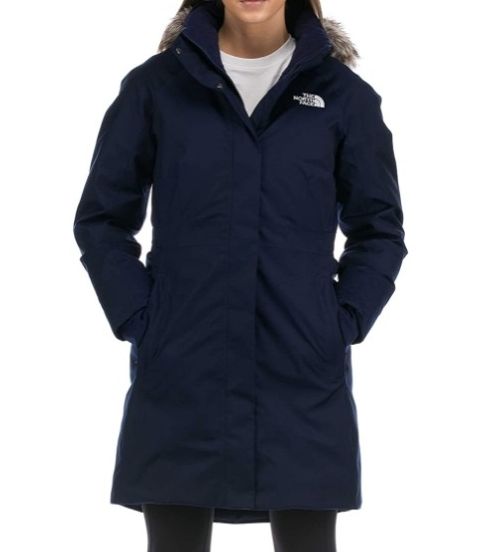
A parka is a type of coat that typically has a fur-lined hood and sometimes, but not always, a fur-trimmed or shearling-lined collar. It's typically made from water-resistant materials like nylon or polyester. The word "parka" comes from the native...
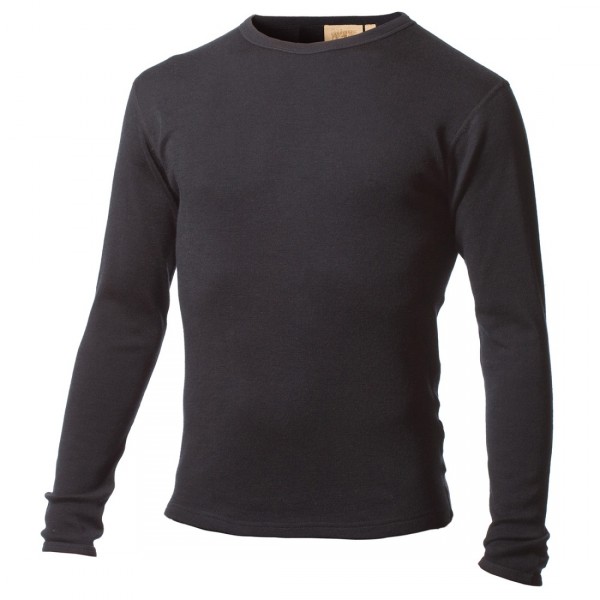
Underwear made of polypropylene is a type of base layer garment. Polypropylene underwear is an excellent choice for people who want to be comfortable and have a stylish look. Polypropylene is as comfortable as cotton, but it doesn't absorb moisture...
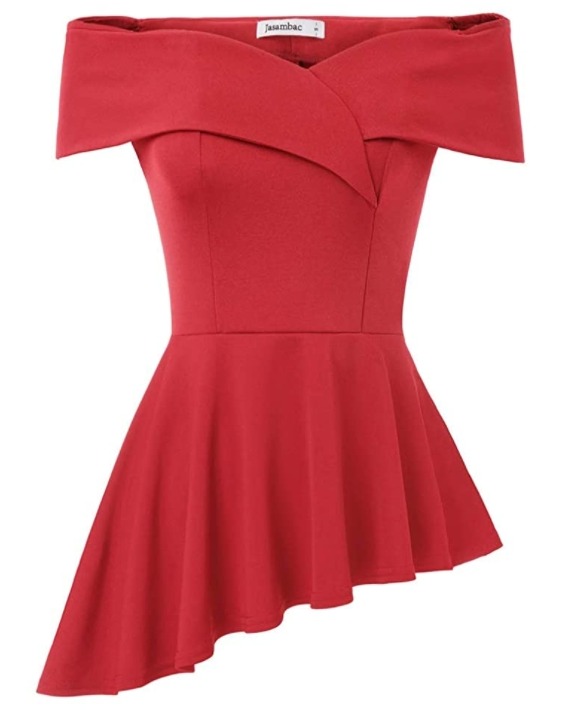
The peplum trend is one that has been around for a few seasons now and doesn't seem to be going away any time soon. What is a peplum, you ask? Peplums are a type of ruffle or accent that hangs...
Princess seams are a type of seam that creates a beautifully draped and feminine look. This style is very flattering for most body types, but it does not work well with all clothing styles. Princess seams highlight the natural curves...
Patch pockets are a type of pocket that is sewn on the outside of clothing. They're more common on jackets, jeans, but can be found on shirts and even skirts as well. What are Patch Pockets? Patch pockets have been...
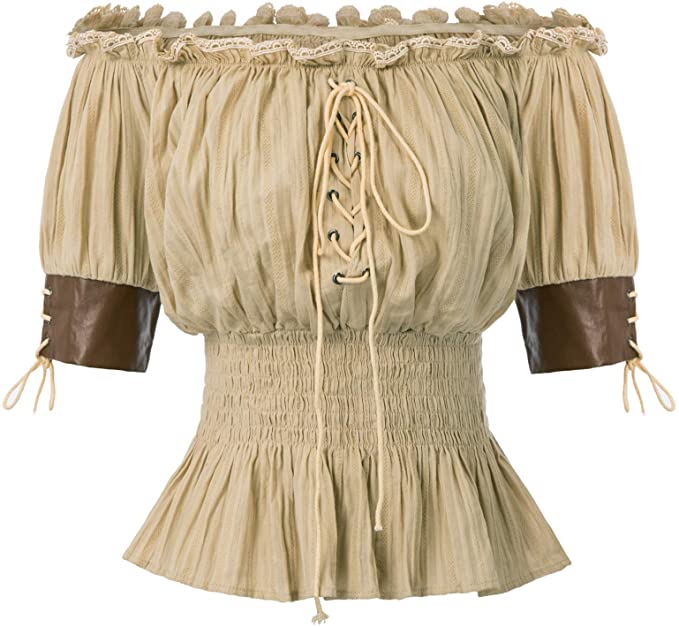
A peasant blouse is a type of shirt with a low-cut neckline, short sleeves and an A-line shape. The fabric of the garment is typically made from cotton or linen. Peasant blouses have been around for centuries and have evolved...
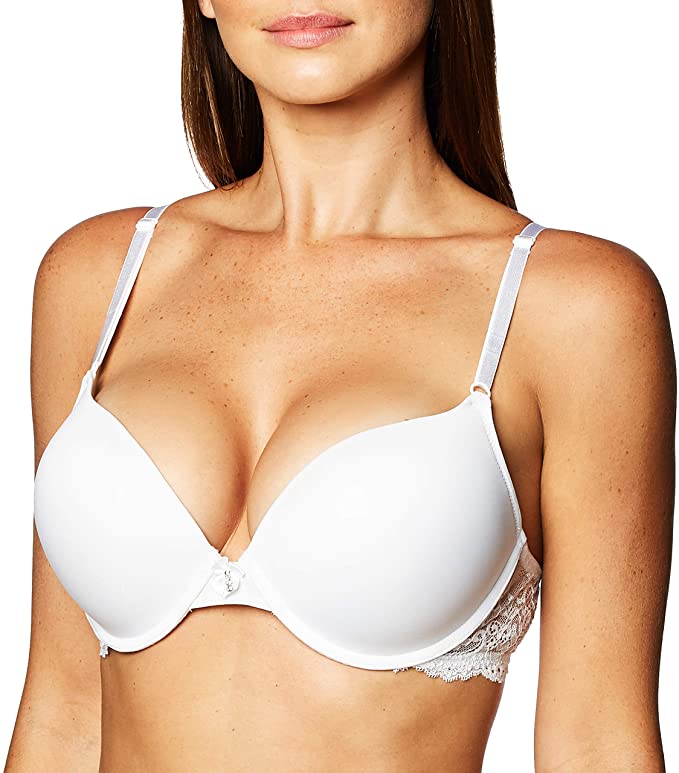
Push-up bras are a staple in the underwear section of many stores. They seem pretty straightforward to use, right? Wrong. Despite their popularity and usefulness, there are some things about push-up bras that you might not know! What is a...
Shopping is a hassle, we all know that. Finding clothes which fit well, meet our style needs and are affordable can be challenging. Luckily for you there's an easy solution to this problem: preshrunk garments! But what are they exactly?...
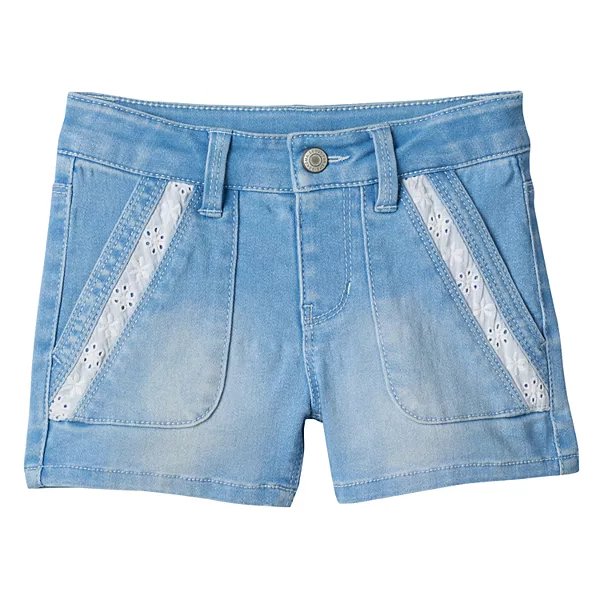
Pork chop pockets are a new fashion trend that has been gaining popularity in the past year. Pork chop pockets are two pieces of fabric sewn together with an opening at the top for your hand to go through. The...
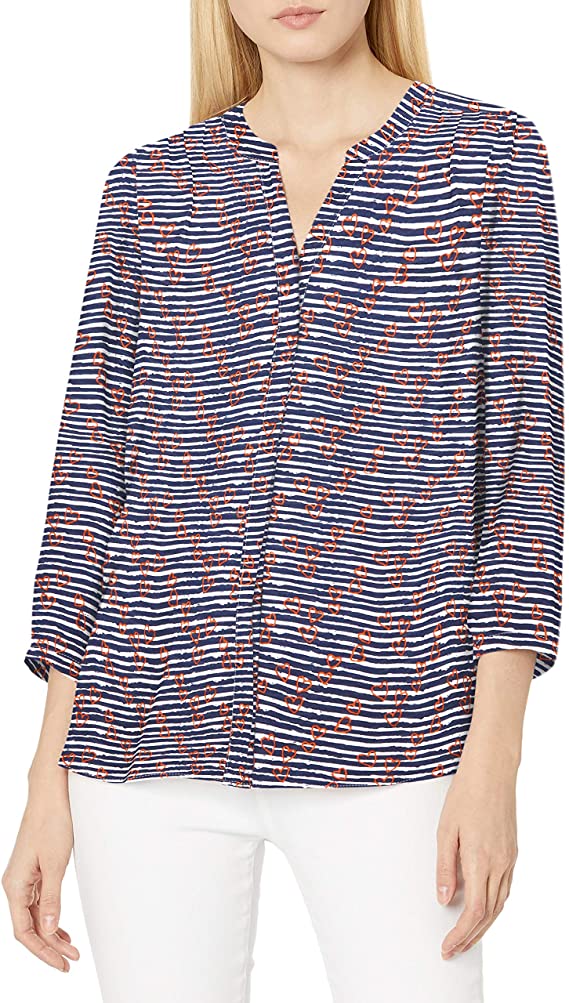
A pintuck is a narrow fold of fabric that creates a smooth, pinched pleat. They can be used to emphasize the waistline on garments like skirts and dresses or to create an ornamental detailing on more heavily embellished clothing items...
A periwig is a style of wig that was popular between the 17th and 19th centuries. It's basically just a fancy word for "wig". Periwigs were often worn by men with long hair who wanted to create an impressive appearance,...
Post earrings can be considered a type of pierced earring that is attached to the back of the ear by a post. They are also called "ear posts" or "backless studs." A post-style or screw-back earring has a larger, threaded...
Pouch underwear is a type of male underwear that has a pouch in front to create room for the penis and testicles. It's typically made from soft cotton or elastic material, which allows it to stretch easily so you can...
Peached fabric is a type of fabric that has been sanitized and pre-shrunk. This process makes it great for any kind of clothing. In this blog post, we will discuss the benefits of peached fabrics when creating your own line...